
Beat
the press.
Read the pressure. Find the spare player. Take a complete 14-player coaching session onto the pitch.

The LTG Playbook / read freely
Short coaching notes with one useful action to take into your next practice, conversation or club review.

Players / football + Gaelic football
Before the ball arrives, look for pressure, teammates and the space you can use. The point is to inform your next action, rather than look around without a purpose.
In football, a different receiving angle may open the next pass. In Gaelic football, noticing a supporting runner or the space ahead can change the next possession. The useful information depends on the situation.
After a suitable practice, pick one receiving moment. Ask what the player saw, what changed and how that informed the action. Keep the discussion specific to the game picture.
In your next practice, pause one receiving moment. Ask: “Where is the pressure? What is your next option? What would change your choice?”
Adapt these learning ideas to the sport, age, experience and context of your players.
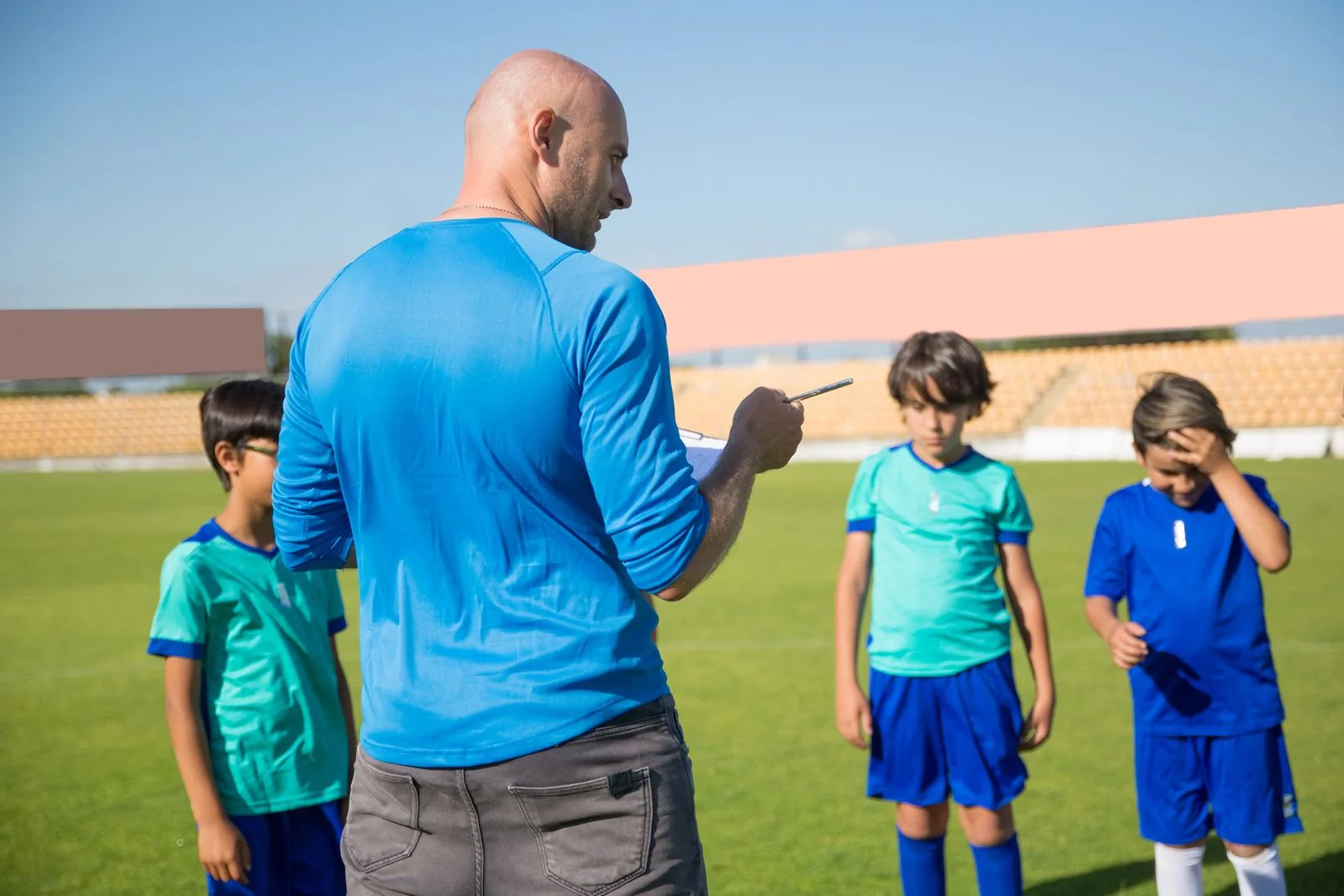
Coaches / practice design
Start with a situation your players recognise. For example: how can the player on the ball find a useful connection when the nearest pass is being pressed?
Use player numbers, the direction of play, space and scoring to bring that situation into the practice. Check whether the activity is creating the decisions you intended.
Watch what the players are doing. If the problem is too easy, too rare or no longer useful, adapt one part of the setup. Give players enough time to explore the new picture.
Before the next session, finish this sentence: “This practice helps players recognise… and decide…” Then check whether the game actually creates that decision.
Adapt these learning ideas to the sport, age, experience and context of your players.

Clubs / coaching direction
A club’s coaching direction becomes useful when people can recognise it in what happens during training. Start with a small set of ideas that coaches can explain in ordinary language.
If the club wants players to take ownership, what can a player actually choose in a session? If it values purposeful practice, what should a coach identify before the session begins?
Ask coaches what the agreed ideas looked like in their recent work. Use concrete examples to understand the differences between teams and where support would help.
Choose one club coaching idea. Ask three coaches what it looks like during a session. Use the examples to make the shared language clearer.
Adapt these learning ideas to the sport, age, experience and context of your players.
The LTG library / free to use
Two finished guides. Real sample pages. Practical ideas you can put into your next session or training week.
Read the pressure. Find the spare player. Take a complete 14-player coaching session onto the pitch.

A practical guide for adult Gaelic football players: recovery, strength, fitness, speed and a better return.
Choose your sport. Preview the pages. Get instant access through the free-guide signup.
Explore the resource library