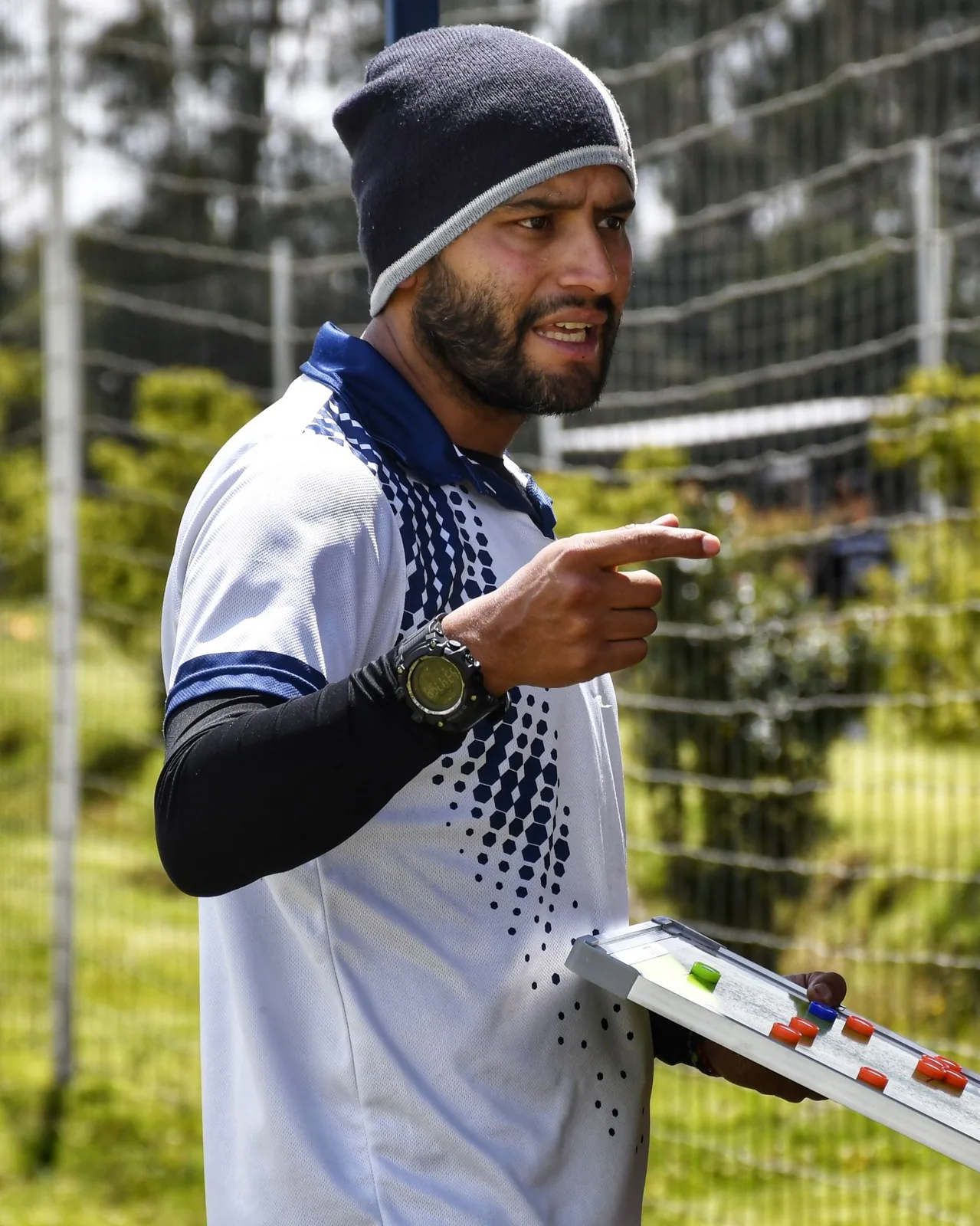
 01 / LTG
COACH DEVELOPMENT
Coach Education & Development
Online courses & CPD workshops. Coaching methodologies & practice design.


LEARN THE GAME / LTG Resources
Programmes, education, coaching resources and digital tools. Explore the ten service categories, then take a practical idea from the Playbook into your next session.
Explore the complete LTG offering. Open a service tile to see what it covers, then enquire about access, delivery and the next step.
10 service categories
01 / LTGCOACH DEVELOPMENT
Online courses & CPD workshops. Coaching methodologies & practice design.
 02 / LTG
COACH DEVELOPMENT
Session plans & small-sided games. Technical drills & tactical practices.
 03 / LTG
PLAYER DEVELOPMENT
Technical & tactical development. Positional understanding & decision-making.
 04 / LTG
PLAYER DEVELOPMENT
Gaelic football skills & game-based learning. Tactical understanding & athletic development.
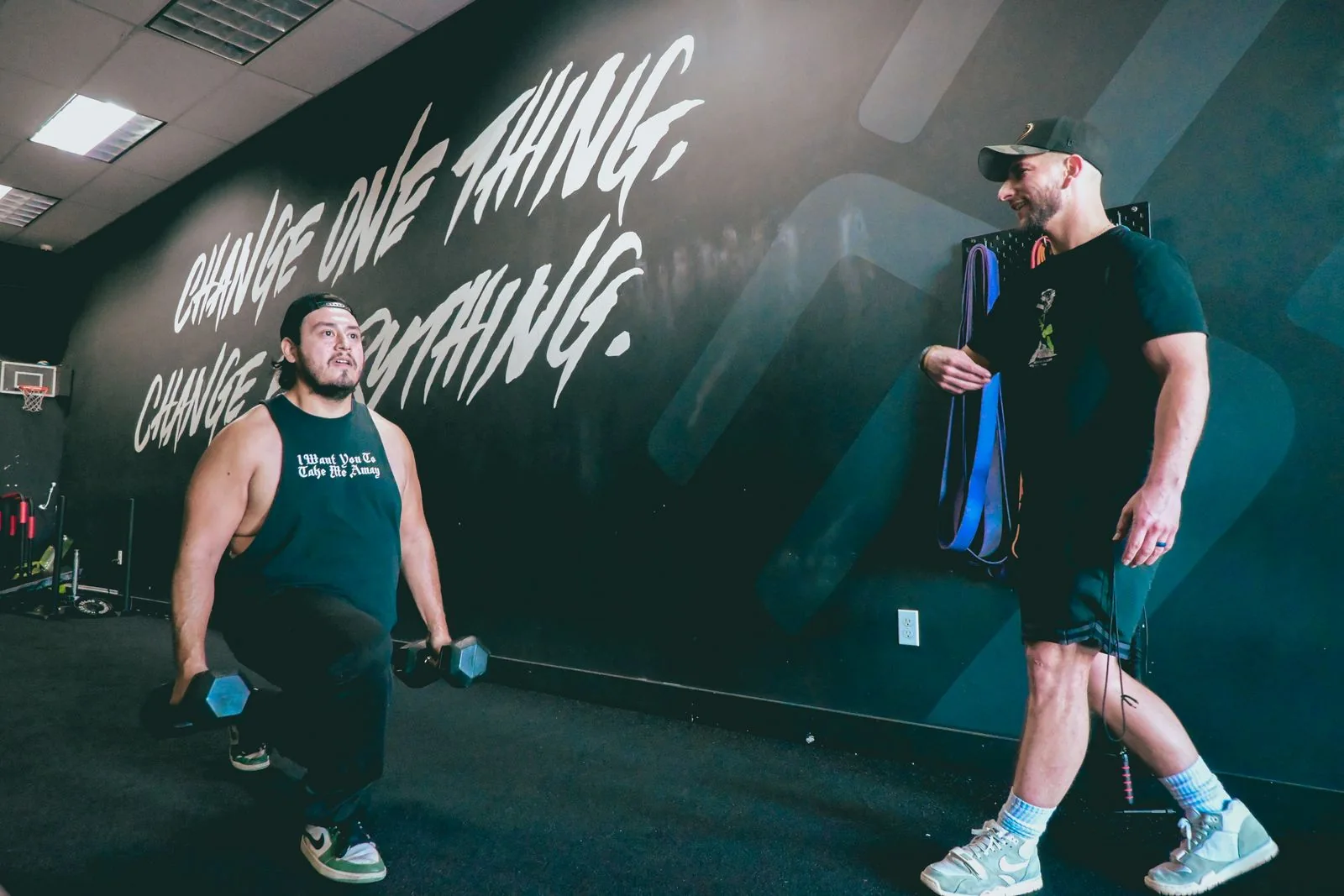 05 / LTG
PLAYER DEVELOPMENT
Strength, power, speed & agility. Gym, home & conditioning programmes.
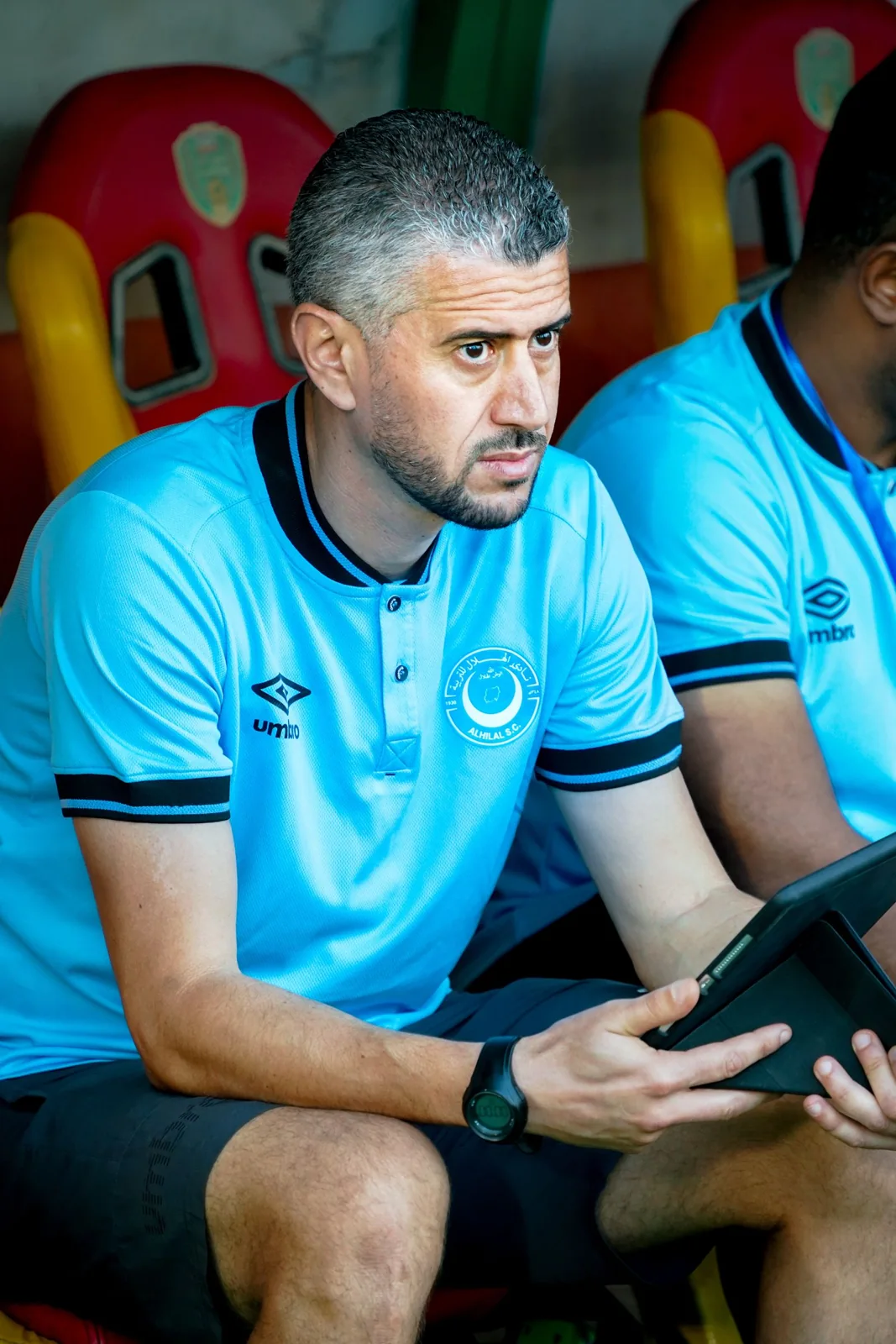 06 / LTG
LTG RESOURCES
Match & video analysis. Fitness testing & GPS data interpretation.
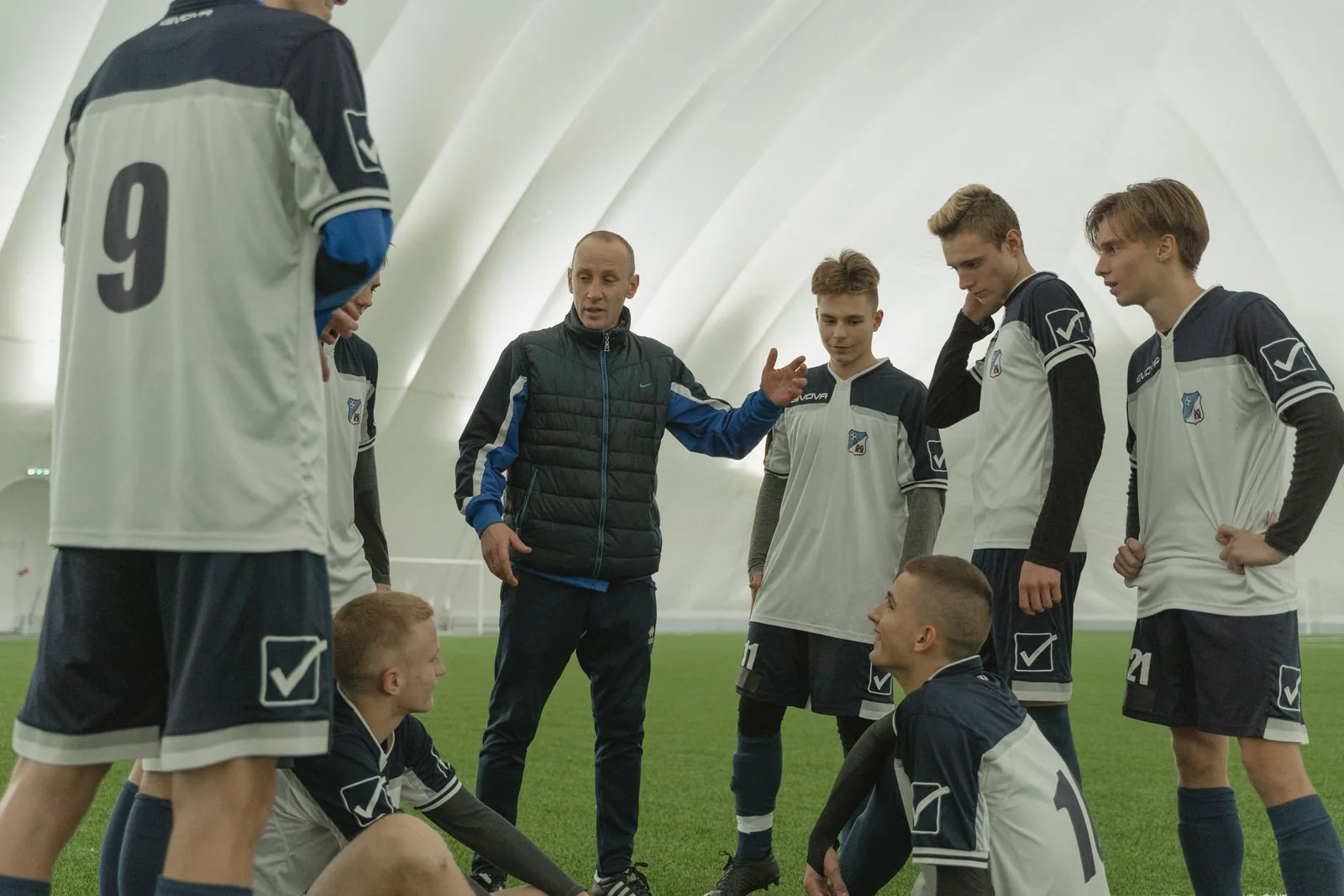 07 / LTG
CLUB DEVELOPMENT
Player pathways & academy structures. Coaching frameworks & standards.
 08 / LTG
LTG RESOURCES
Session & season planners. Development templates & testing spreadsheets.
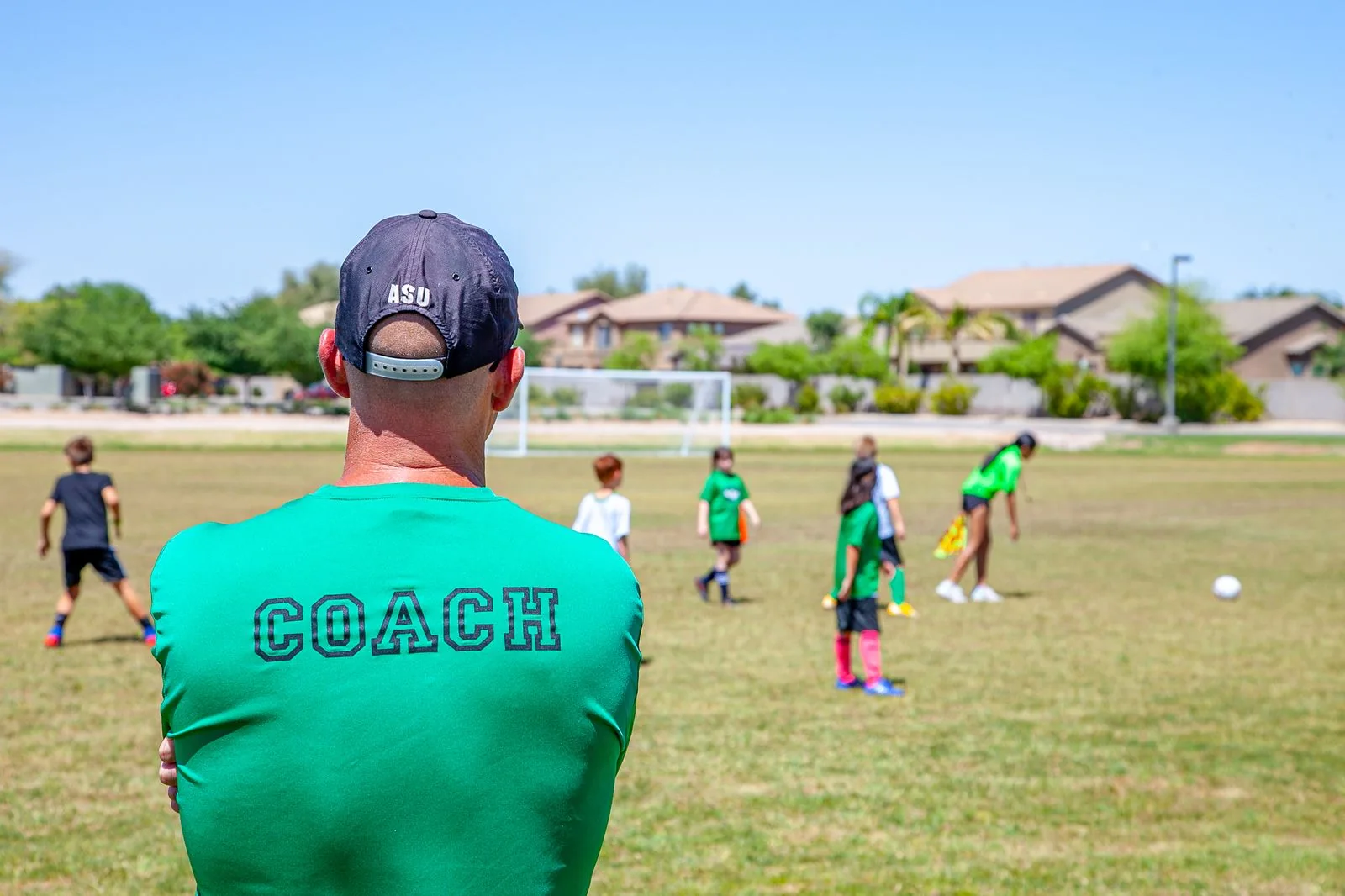 09 / LTG
LTG RESOURCES
Video tutorials & tactical breakdowns. Player learning modules & webinars.
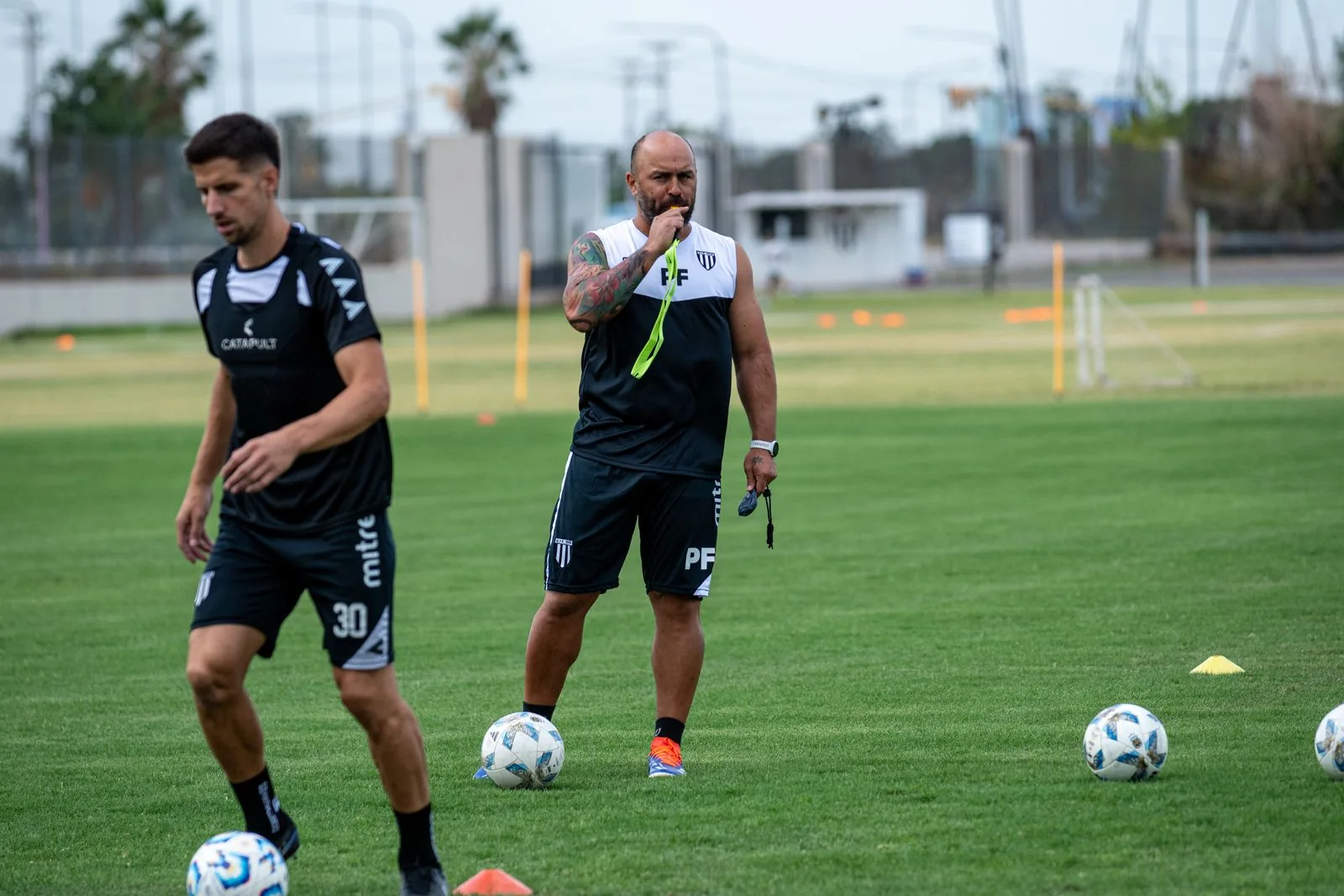 10 / LTG
PLAYER DEVELOPMENT
Tailored player development plans. Individual strength & conditioning.
Programme and resource access, delivery, availability and costs are confirmed by enquiry.
THE PLAYBOOK / READ NOW
3 field notes
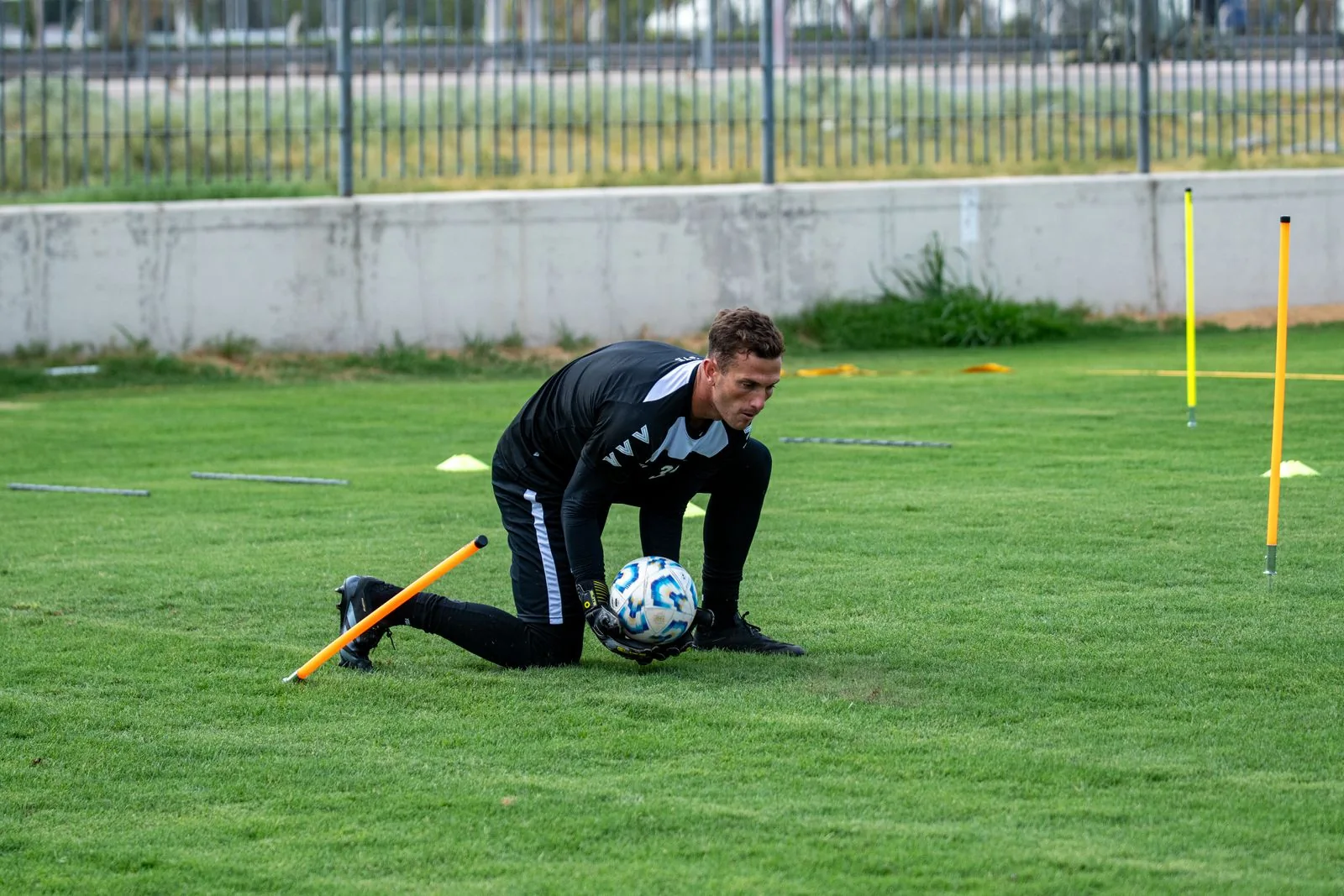 FIELD NOTE / 01
players / PRACTICE NOTES
Build a clearer picture before your next action.
FIELD NOTE / 02coaches / PRACTICE NOTES
Give your next session a clear reason to exist.
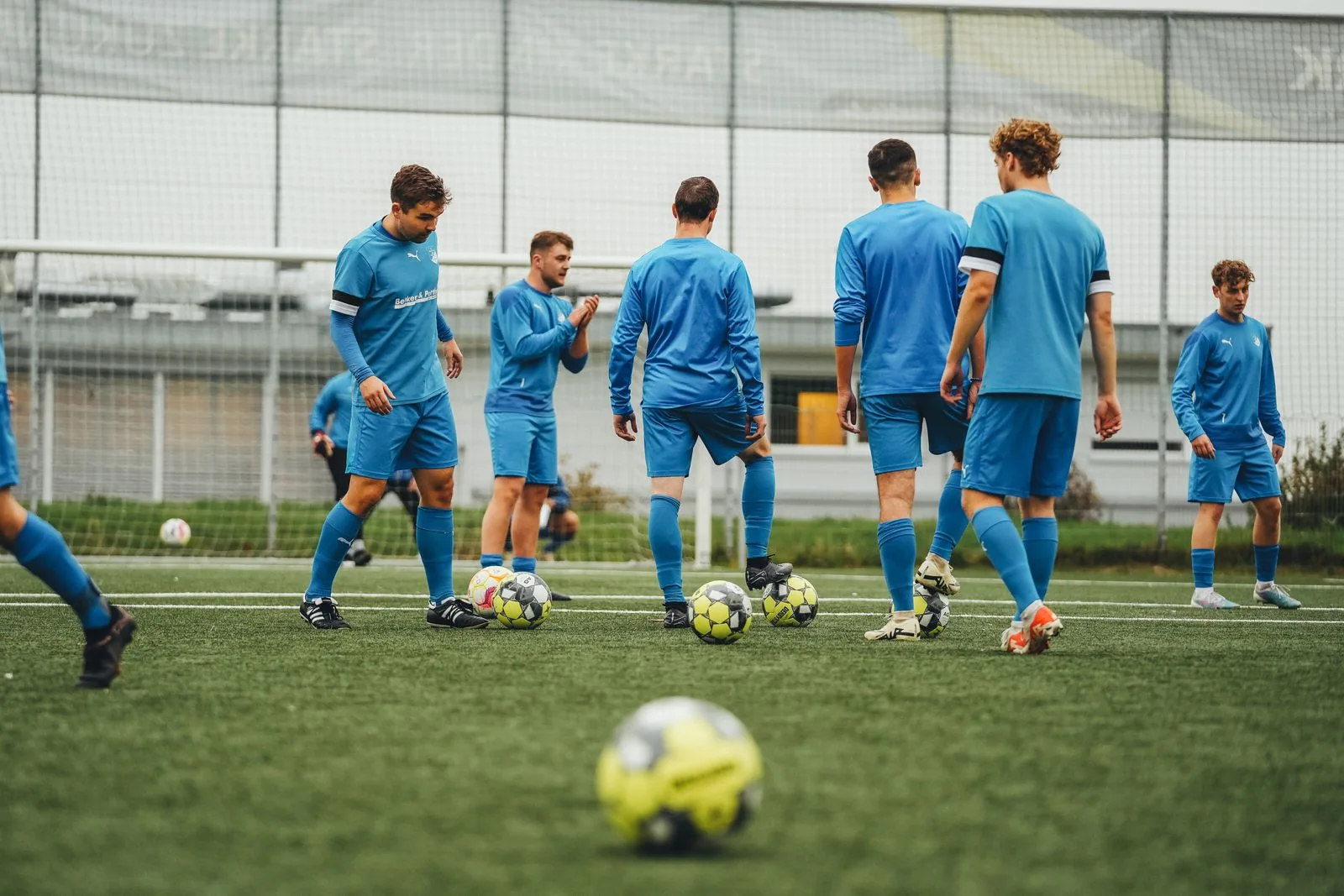 FIELD NOTE / 03
clubs / PRACTICE NOTES
Turn a development philosophy into everyday behaviour.
players / Practice notes
Scanning is about collecting useful information. It helps you understand what is around you before the ball arrives.
Notice pressure, teammates and available space. A quick look should help answer a game question, rather than become an empty habit.
Ask yourself what changed after you looked. Could you receive on the move, protect the ball or play a quick pass? The decision still depends on the game.
After playing, recall one situation where seeing earlier helped — or might have helped. Keep the reflection specific and useful.
BRING IT TO YOUR GAME
Football: notice the pressure and the next passing option before receiving. Gaelic football: notice support, space and the pressure around the next possession.
In a suitable practice, choose one receiving moment to discuss: What could you see? What changed? What did you decide?
General learning ideas. Adapt practice to the players, their age and experience, and your coaching context.
coaches / Practice notes
A busy session is not automatically a purposeful one. Start by identifying the game problem you want players to understand.
For example: how can we create a passing option when the player on the ball is under pressure? Be precise enough to shape the practice.
Use space, player numbers and rules to bring the problem to life. Keep checking whether the activity is producing the decisions you intended.
Give players room to solve the problem. Ask what they noticed, then adjust the practice when it stops serving the learning purpose.
BRING IT TO YOUR GAME
Football or Gaelic football: start with a situation your players recognise from their own game. Ask what information they need and which choices your practice makes possible.
Write one sentence before your next session: “This practice helps players recognise… and decide…”
General learning ideas. Adapt practice to the players, their age and experience, and your coaching context.
clubs / Practice notes
A development philosophy becomes useful when people can recognise it in the way a club works.
Agree a few clear ideas about the player experience and the way coaches support learning. Avoid a long list that nobody remembers.
If the principle is player ownership, what will a player actually get to decide? If it is purposeful practice, what will a coach plan and review?
Use short coaching conversations and reflection to understand what is working. Consistency grows through shared practice, not a document alone.
BRING IT TO YOUR GAME
Across football and Gaelic football, make your language specific enough that players and coaches can recognise it during a session.
Choose one club principle. Ask three coaches what it looks like during a session. Use their answers to make it clearer.
General learning ideas. Adapt practice to the players, their age and experience, and your coaching context.
Learn. Improve. Understand.
For the player you want to become.
The coach you want to be.
The club you want to build.

Empowering learners worldwide with accessible, quality education.
About Us
Pricing
Courses
Contact Us
Blog
Terms of Use
Term & Condition
Payment Method
Privacy Policy
Join our community to stay updated on the latest courses, exclusive content, and learning resources. Subscribe now and take the next step in your educational journey!